


materials & making
details in the craft
How every piece is made
We'd rather show you exactly how an ALĒO piece is made than simply call it sustainable. Two leathers, two ways of making, and the honest detail behind each one.
Our two leathers
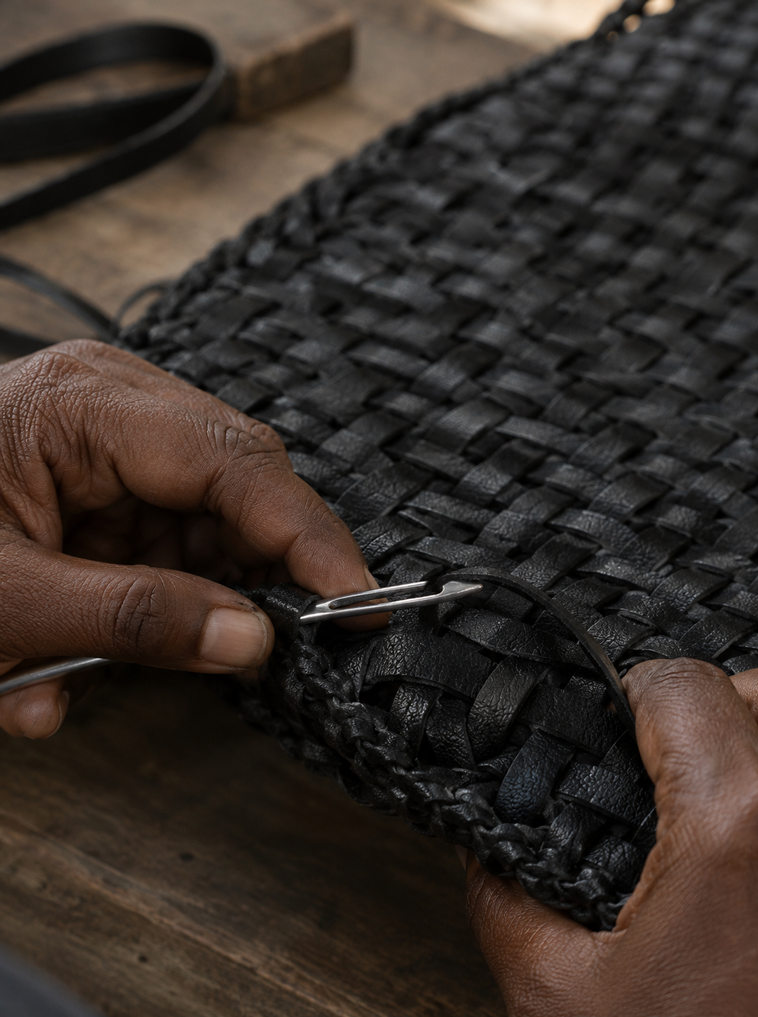
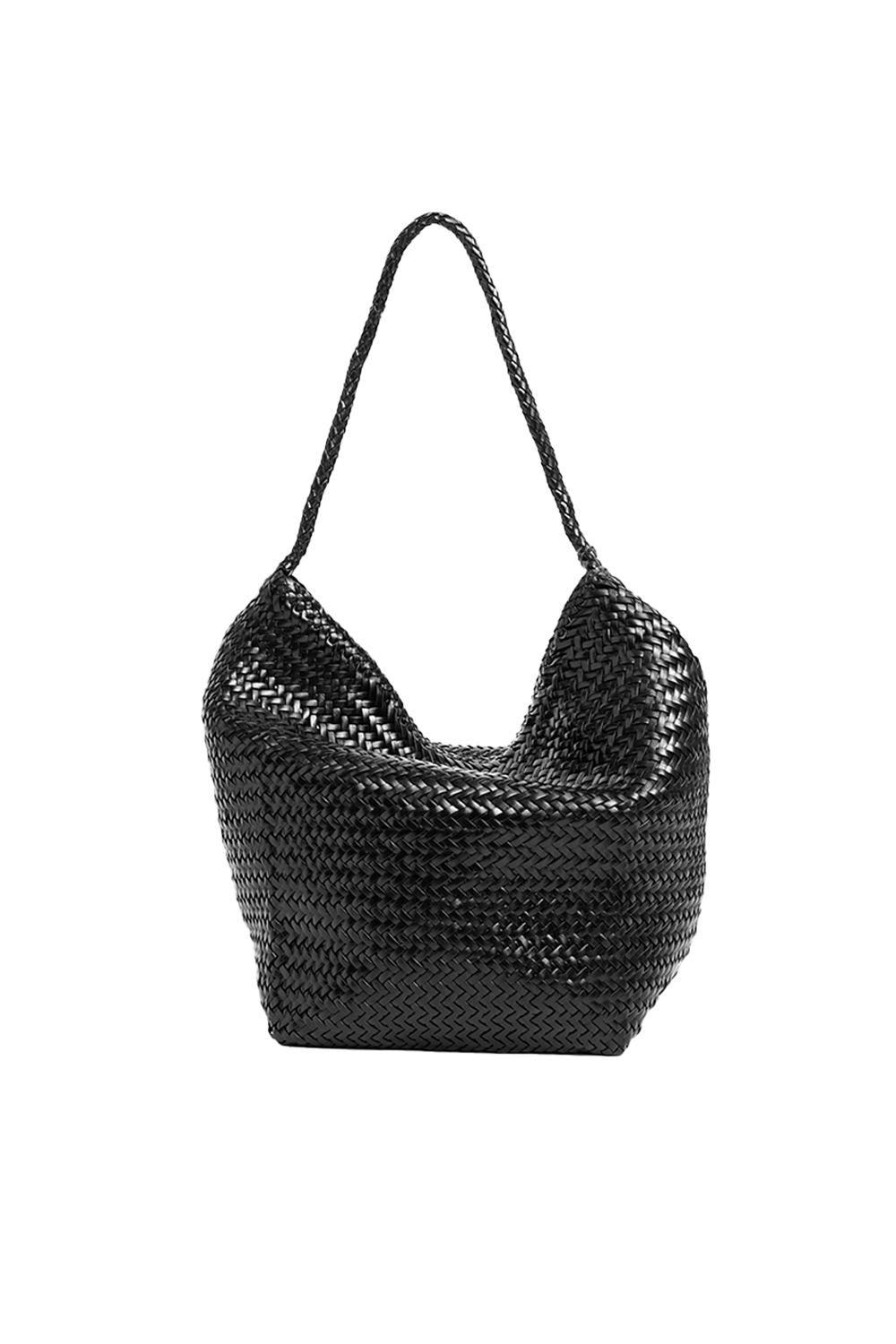
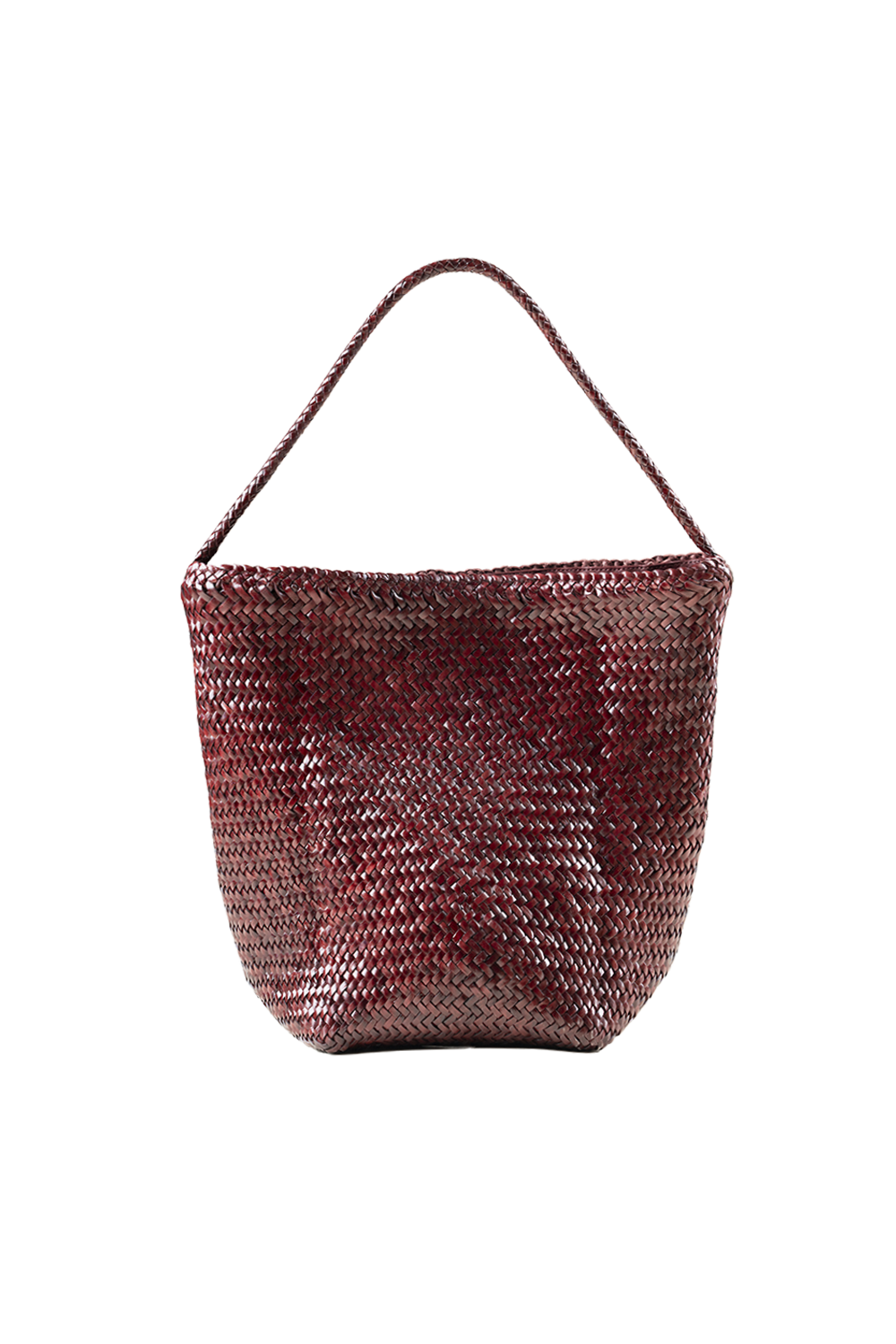
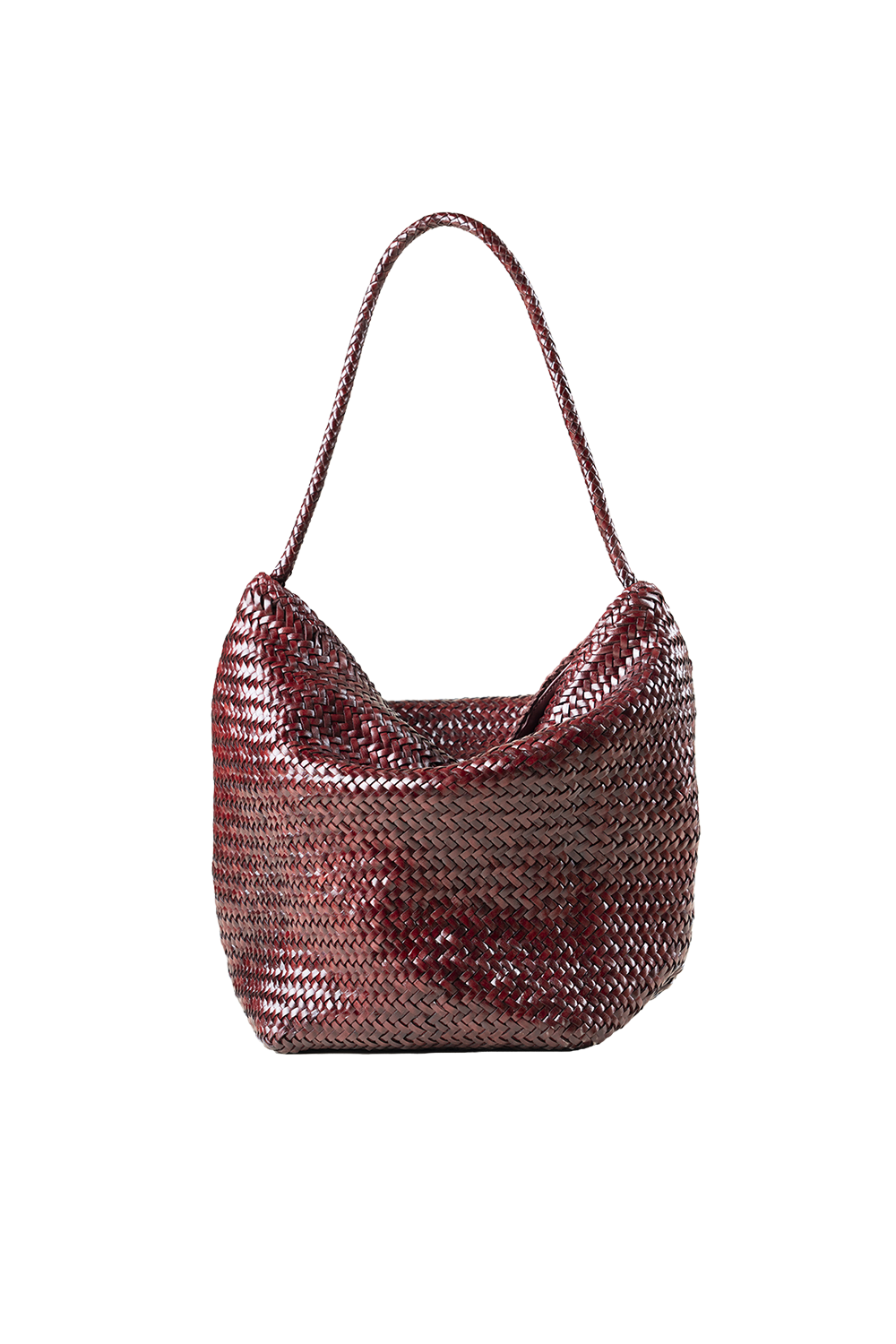
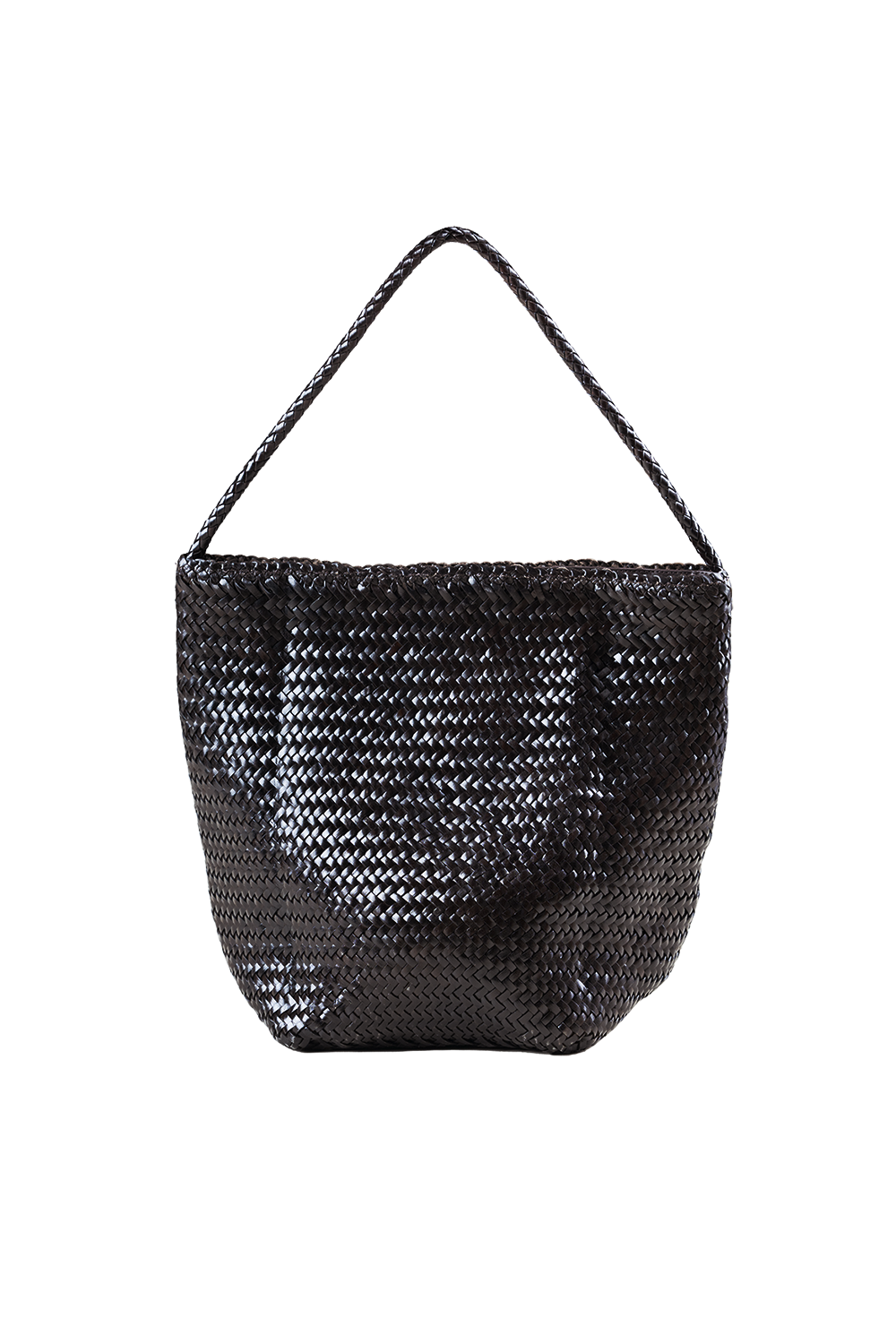
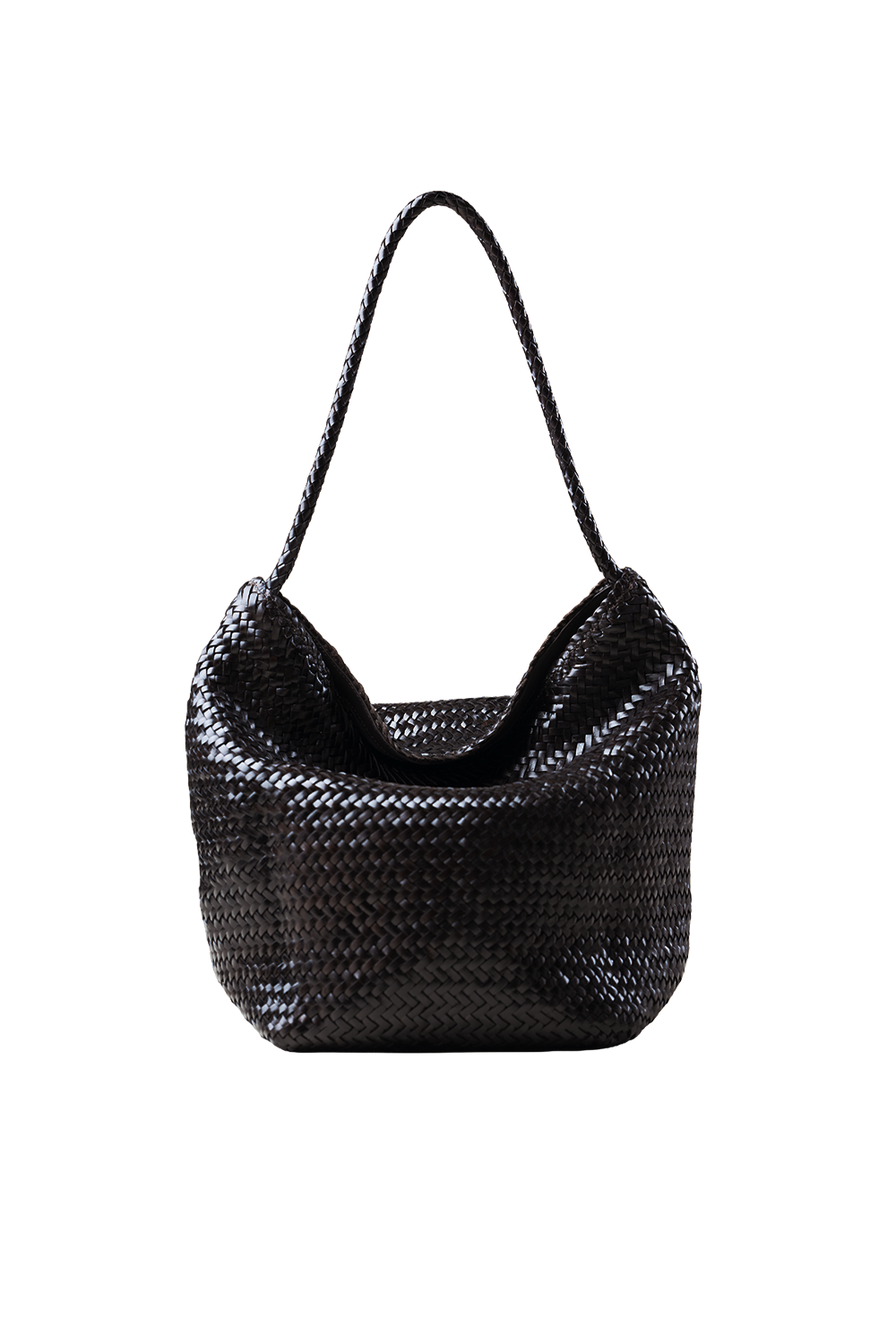
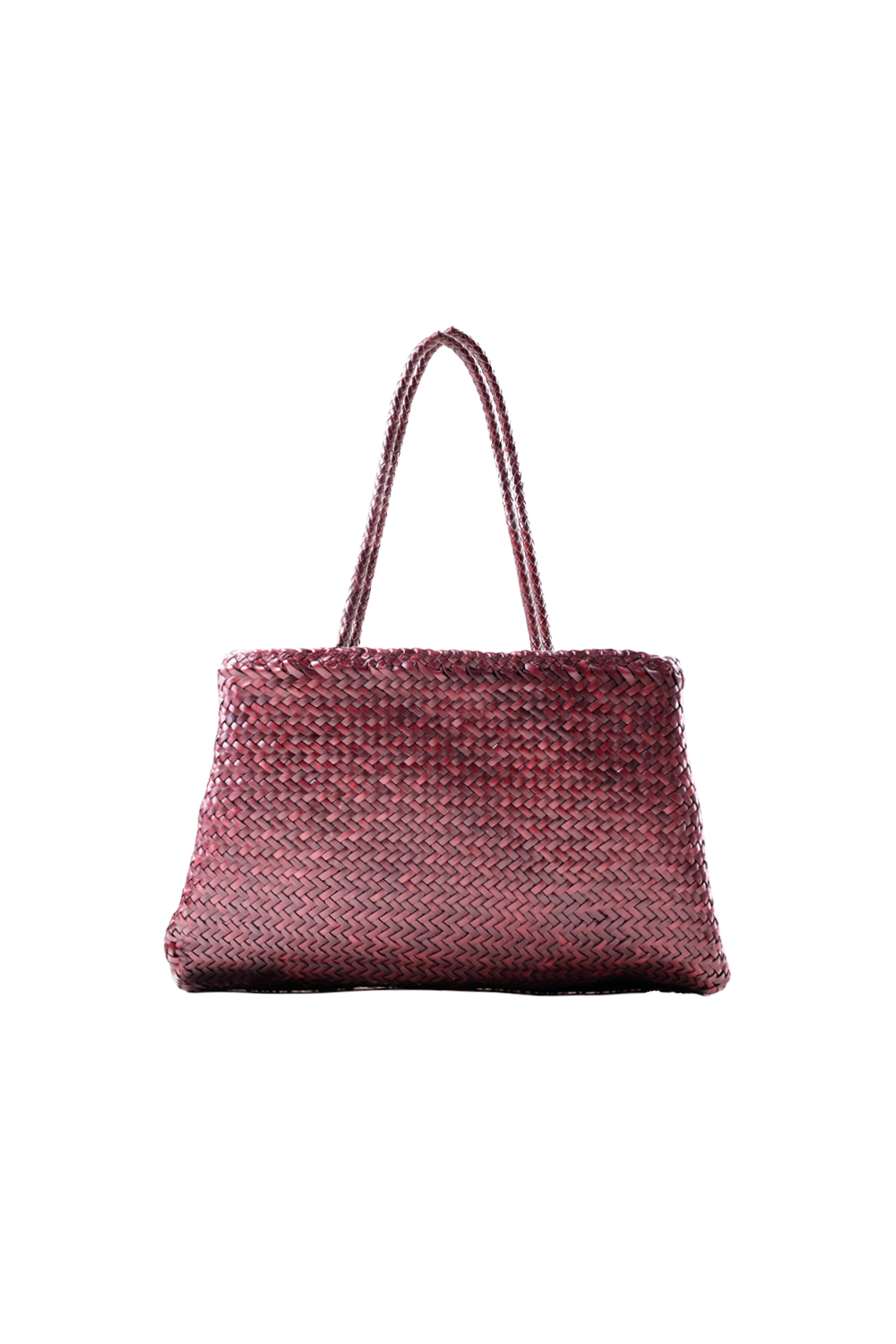
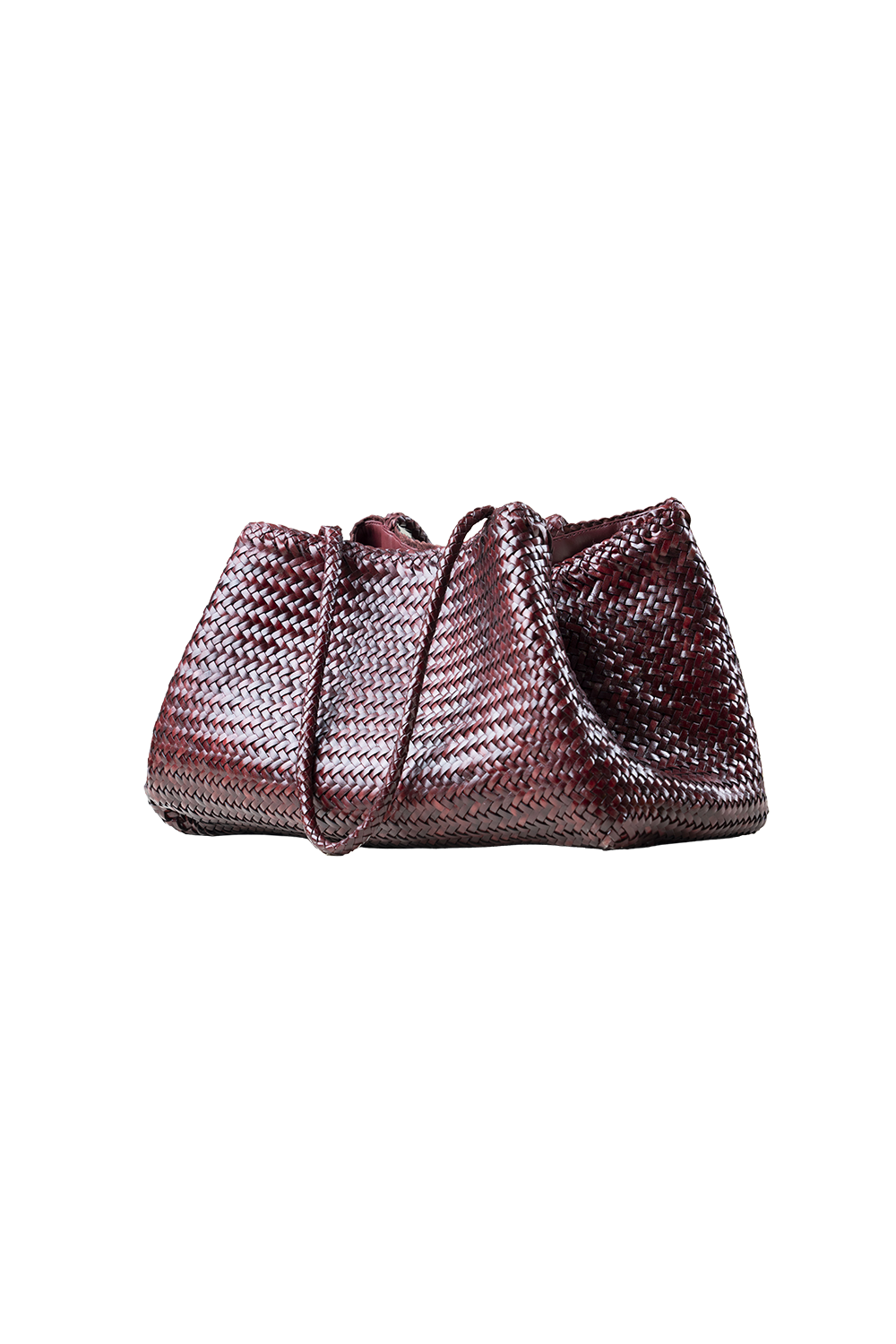
Vegetable-tanned buffalo
Woven · 100% handmade
Tanned slowly with natural plant tannins rather than chrome, our buffalo leather starts with a firm, honest feel and softens with use, deepening in colour as it ages.
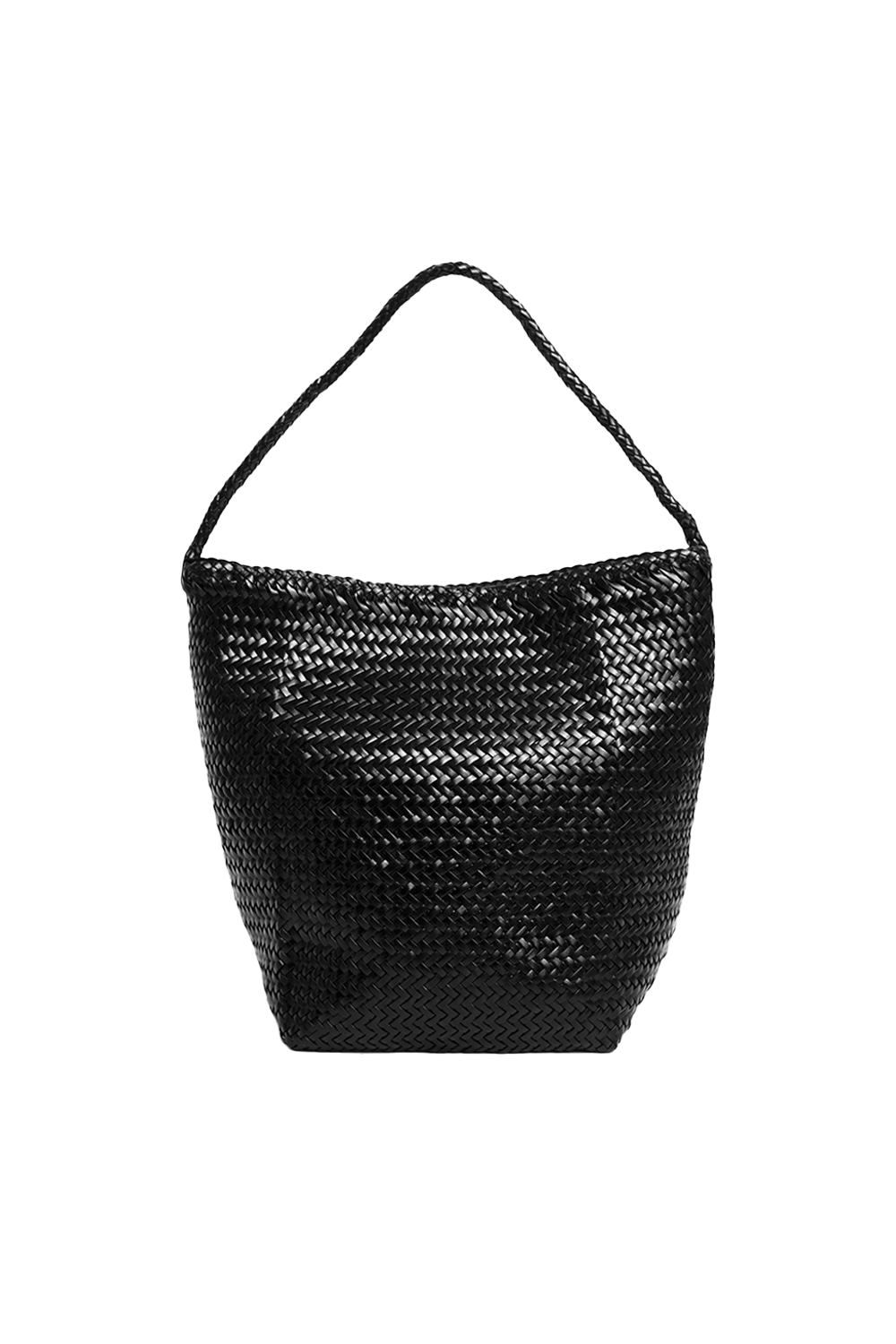
It's the leather behind our woven pieces, finished with our Toledo technique or painted by hand.
Explore woven pieces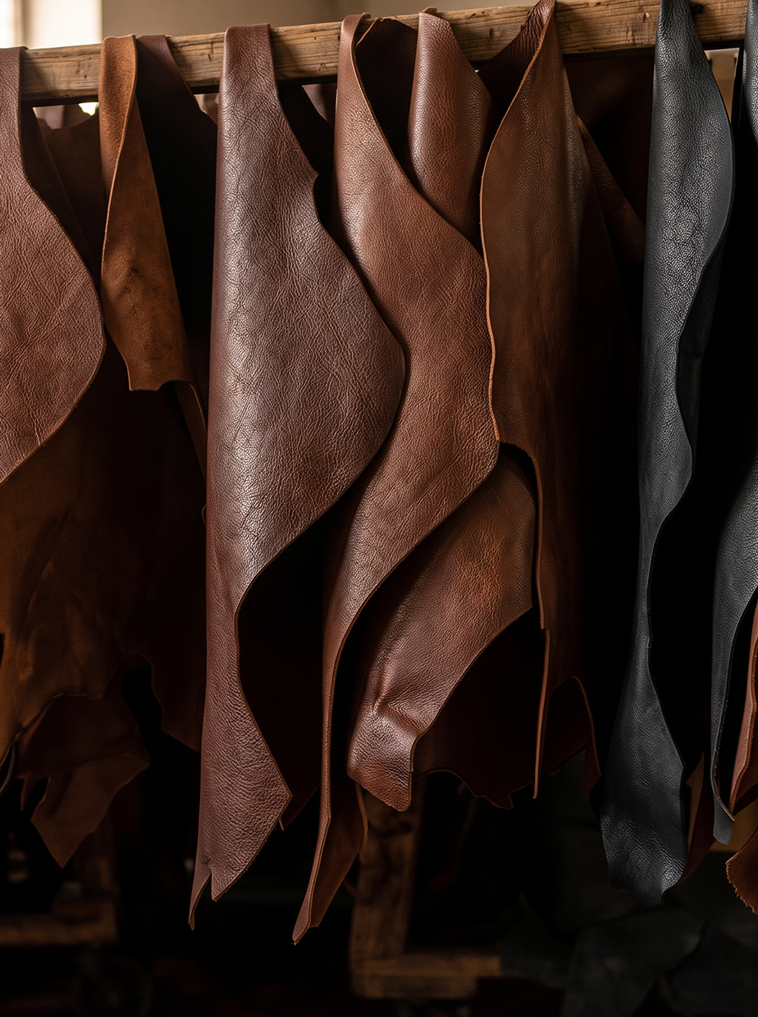
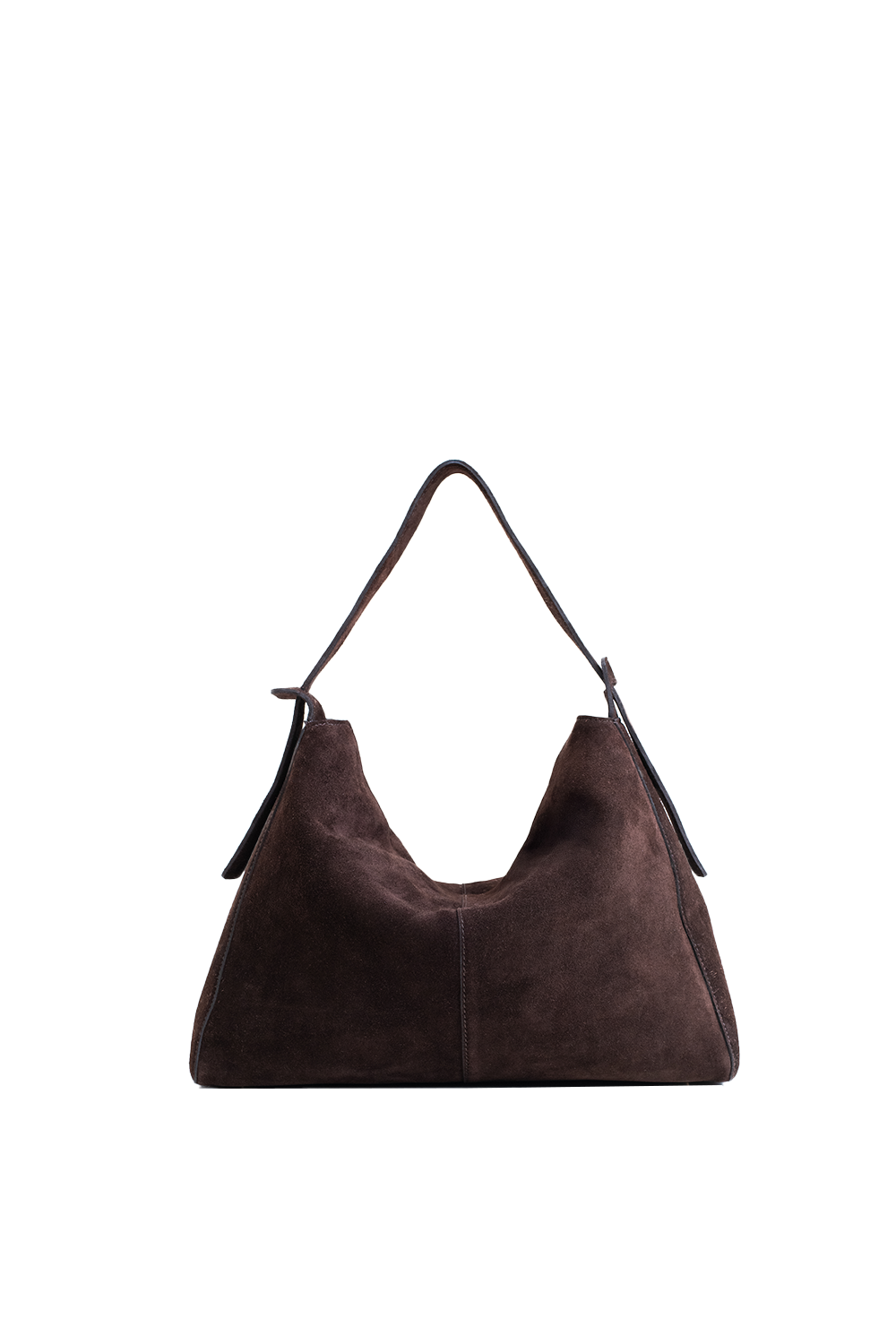
Full-grain calf
Grained & smooth · around 85% handmade
Full-grain leather keeps the hide's complete outer surface, the strongest and most durable part of the leather. We use it in two finishes: grained, with a pebbled texture that wears everyday life well, and smooth, with a fine, supple surface.
Tanned and tested in India.
Explore the AW26 collectionBuffalo: woven entirely by hand
Every woven piece is made by artisans at two craft hubs along India's eastern coast, people we've worked with since before ALĒO launched.
- Cut. The vegetable-tanned leather is cut into long strips.
- Woven. The strips are hand-laced and interlaced over a pre-made mould, which gives each piece its shape and structure.
- Finished. Each piece is finished with our Toledo technique, which brings depth and variation to the surface, or painted by hand.
Because every piece is woven and finished by hand, no two are exactly alike. Small variations in tone and texture are the mark of handwork, not flaws.
Calf: tanned and tested
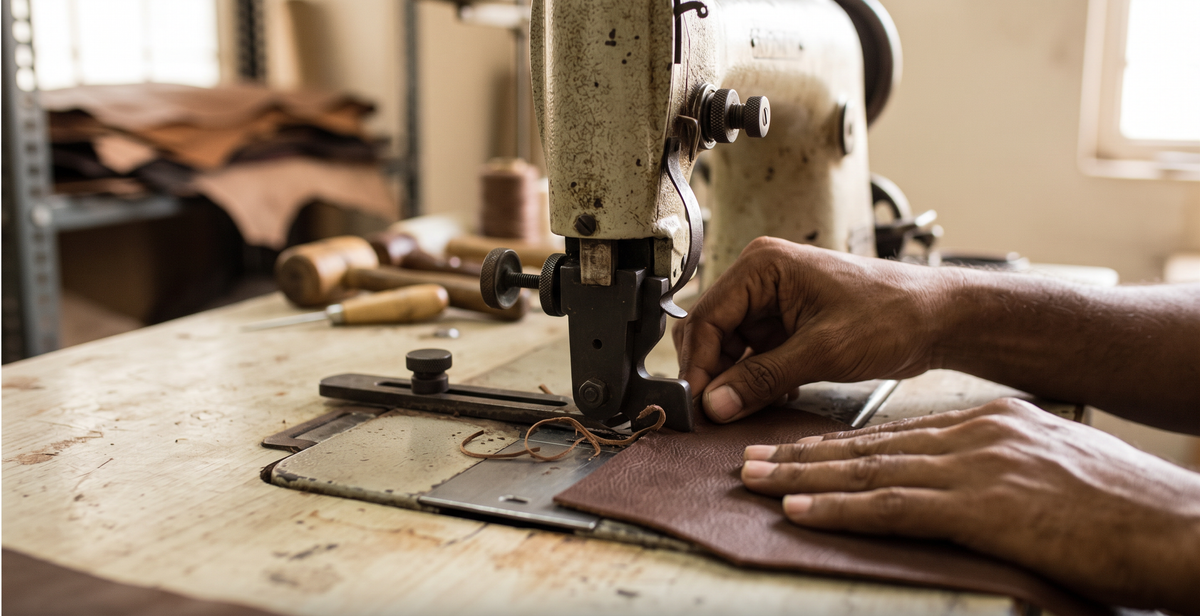
Our calf leather comes from a single tannery in Eastern India, which tans its own full-grain leather in-house. Working with one tannery means we know exactly where our calf leather is made.
- Tested for wear. The leather goes through physical tests, including adhesion, tear load and colour fastness, so it holds its finish and colour through daily use.
- Tested for safety. It meets European chemical and health standards and complies with REACH, the EU regulation that protects people and the environment from harmful chemicals.
- Checked piece by piece. Every finished piece goes through quality testing before it leaves the workshop.
- Made mostly by hand. Around 85% of the work on each calf piece is done by hand.
What we know, and what we're still learning
We'd rather be clear than claim more than we can show.
Calf. Made by a single tannery, so we know where it's tanned and how it's tested.
Buffalo. Vegetable-tanned, but our visibility into its wider supply chain is limited. We're working to understand more about where it comes from.
Made in small runs
We produce in small runs rather than large quantities, so we make what we need and can focus on the detail of each design. Leather offcuts are reused wherever possible.
Made to be kept
Good leather gets better with care. A few simple habits will keep your piece looking its best for years.
- Store it in a breathable cotton bag, away from direct sunlight, lightly stuffed to hold its shape.
- Wipe it with a soft, dry cloth. Avoid soaking it, and keep it away from harsh cleaners.
- Expect vegetable-tanned buffalo to darken and soften with use. That patina is part of its character.
Questions about caring for your piece? Get in touch and we'll help.
Shop by craft






Your questions
Our buffalo leather is vegetable-tanned. Our calf leather is not: it's full-grain leather from a single tannery, tested to European chemical and health standards and compliant with REACH.
REACH is the European Union's regulation on chemicals. It's designed to protect people's health and the environment from the risks chemicals can pose. Our calf leather complies with it.
Each woven piece is woven and finished by hand, so tone, texture and weave vary slightly from one piece to the next. That variation is the mark of handwork.
Every piece is designed in Wexford, Ireland, and made in India: woven buffalo pieces by artisans at two craft hubs on India's eastern coast, and calf pieces with leather from a single tannery.
Because it's a big word, and we'd rather show you the detail: the leathers we use, how they're made, what we know about where they come from, and where our knowledge is still limited.
Store it away from direct sunlight in a breathable bag, wipe it with a soft, dry cloth and avoid harsh cleaners. Get in touch if you have a question about a specific piece.